
The Road Less Traveled: Unique Travel and Adventure Injury Claims (Skydiving, Parasailing, etc.)
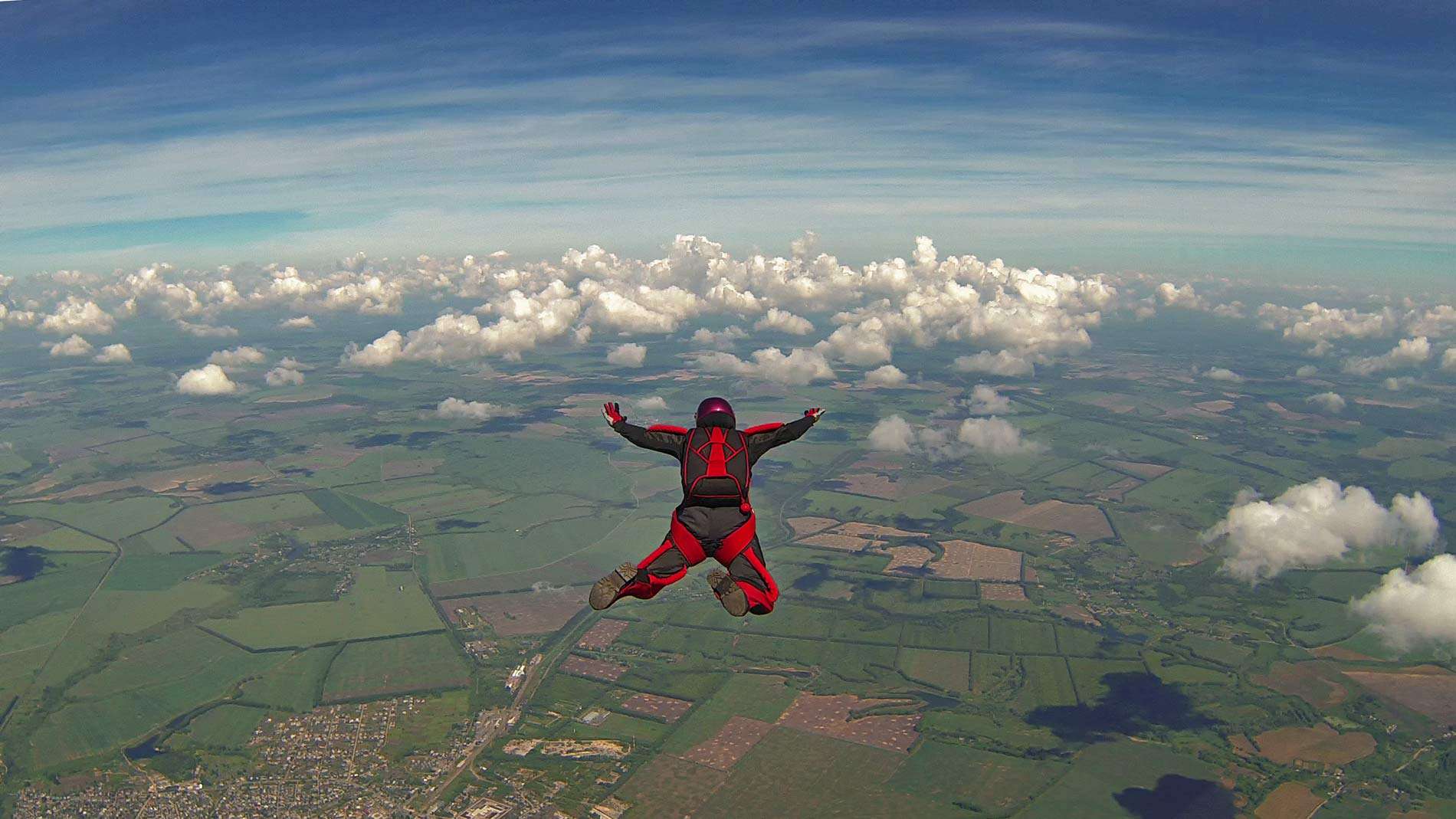
Summer is approaching and many people may be planning to embark on exhilarating vacations — skydiving in breathtaking locations, parasailing over turquoise waters, or ziplining through dense rainforest. But along with the rush of adrenaline comes a set of unique legal issues most people don’t consider. If something goes wrong, where does liability fall? How do waivers and releases affect your ability to seek compensation? Let’s take a closer look at the complexities surrounding travel and adventure injury claims.
The Thrill vs. the Risk
From skydiving to bungee jumping, adventure sports inherently carry a higher risk of injury. While participants often assume some level of risk just by signing up, that doesn’t mean these activities are a free-for-all when it comes to liability. Assumption of risk does not grant businesses the right to be negligent or reckless. Operators still have a legal duty to maintain safe conditions, use properly functioning equipment, and ensure instructors or guides are adequately trained. A notorious example of this is Action Park, an amusement park in New Jersey that was the subject of numerous personal injury lawsuits in the 1990’s. Despite the park requiring its guests to sign release forms, the park itself was forced to close in 1996 after the park owner’s gross negligence resulted in 6 fatalities, countless injuries ranging from lacerations to broken bones, and over 100 lawsuits.
So with that said…Waivers and Release Forms: How Binding Are They?
One of the first documents you’ll encounter at an adventure sports facility is a waiver of liability or a release form. These forms can be intimidating; they often contain legal jargon that essentially states you understand the potential dangers and release the company from certain liabilities.
- Enforceability Varies: The specific wording and state/country laws are critical in determining whether a waiver is enforceable. For instance, some states allow broad release of liability, while others interpret waivers more narrowly.
- Gross Negligence Exception: Even in locations with strong enforcement of waivers, most courts won’t uphold a waiver that tries to excuse gross negligence or willful misconduct. If a company severely neglects safety measures or uses faulty equipment, you might still have grounds to file a claim.
What are Common Types of Injuries Resulting from Action Sports, Adventure Sports, Extreme Sports?
Injury risks vary depending on the activity, but some common themes emerge across these many sports:
- Equipment Failure: A parachute malfunction, broken zipline cable, or defective harness can lead to catastrophic injuries.
- Instructor or Operator Error: If an operator fails to provide proper instructions, overlooks safety checks, or is inattentive, they may be liable.
- Environmental Factors: Unpredictable weather or natural hazards (e.g., hidden rocks in a river) can compound risks; operators should take reasonable precautions.
Even in activities deemed “inherently dangerous,” participants can have a valid claim if they can prove negligence or wrongdoing on the part of the operator or facility.
International vs. Domestic Travel
What if you’re injured in another country while engaging in high-risk activities? Jurisdictional issues can be complicated:
- Forum Selection Clauses: Many tour companies include clauses that specify which country or court will resolve disputes.
- Local Laws: Other countries may have vastly different liability standards or damage caps.
- Travel Insurance: Some policies exclude or limit coverage for “extreme” or “high-risk” sports. Others have dedicated adventure-sports coverage. Read your policy carefully before you head out.
If you’re considering legal action for an injury sustained abroad, consulting with an attorney familiar with international claims is crucial.
Overcoming Obstacles in These Injury Cases
While adventure injury claims share similarities with more typical personal injury cases, they often involve added layers of complexity:
- Establishing Negligence: You must show that the operator breached their duty of care—e.g., by failing to maintain equipment properly—or acted in a way that a reasonable operator would not. For example, in the case of Action Park, the notoriously dangerous ride that resulted in the park’s first recorded fatality was called Alpine Slide: a long tube that had riders control their own speed on 4 wheeled chassis. Upon inspection, the park’s gross negligence was clearly evident as many of these vehicles had either broken or missing braking devices that prevented patrons from being able to control their speed, resulting in multiple fractures and various head injuries.
- Overcoming Waivers: Successfully challenging a well-drafted waiver can be difficult but not impossible if there’s evidence of gross negligence or misleading language.
- Expert Testimony: Cases involving specialized activities often require an expert (e.g., a skydiving safety professional) to clarify industry standards and demonstrate how the operator fell short.
Protecting Yourself Before You Leap
When it comes to preventing accidents, some things may just be out of your control, but a bit of caution can go a long way:
- Research the Provider: Check online reviews, safety records, and certification bodies associated with the operator.
- Ask About Safety Protocols: Reputable companies should willingly discuss their equipment maintenance schedule and instructor credentials.
- Keep Records: If you do experience an injury, gather as much evidence as possible: photos of equipment or the scene, contact information of witnesses, and a copy of any waiver you signed.
Seeking Legal Help After an Accident
If you’re injured during an adventure activity, you may have the option to pursue a personal injury claim—particularly if negligence was involved. An experienced personal injury attorney can:
- Evaluate the Validity of Your Waiver: Determine whether the waiver’s language will stand up in court.
- Investigate Operator Liability: Collect evidence, interview witnesses, and consult experts to build your case.
- Handle Jurisdictional Hurdles: For incidents occurring outside your home state or country, an attorney can navigate international laws or coordinate with local counsel.
Final Thoughts
Adventure sports are supposed to be exciting, but they shouldn’t come at the cost of blatant disregard for safety. Whether you’re freefalling from 10,000 feet or ziplining through a tropical canopy, operators must provide properly maintained equipment, trained personnel, and clear instructions.
If you’ve been injured in a travel or adventure activity and suspect negligence was involved, don’t assume you have no recourse because of a waiver. An experienced personal injury lawyer can help assess your rights and options, ensuring that you’re protected—even when taking the road less traveled.